

Search
Close

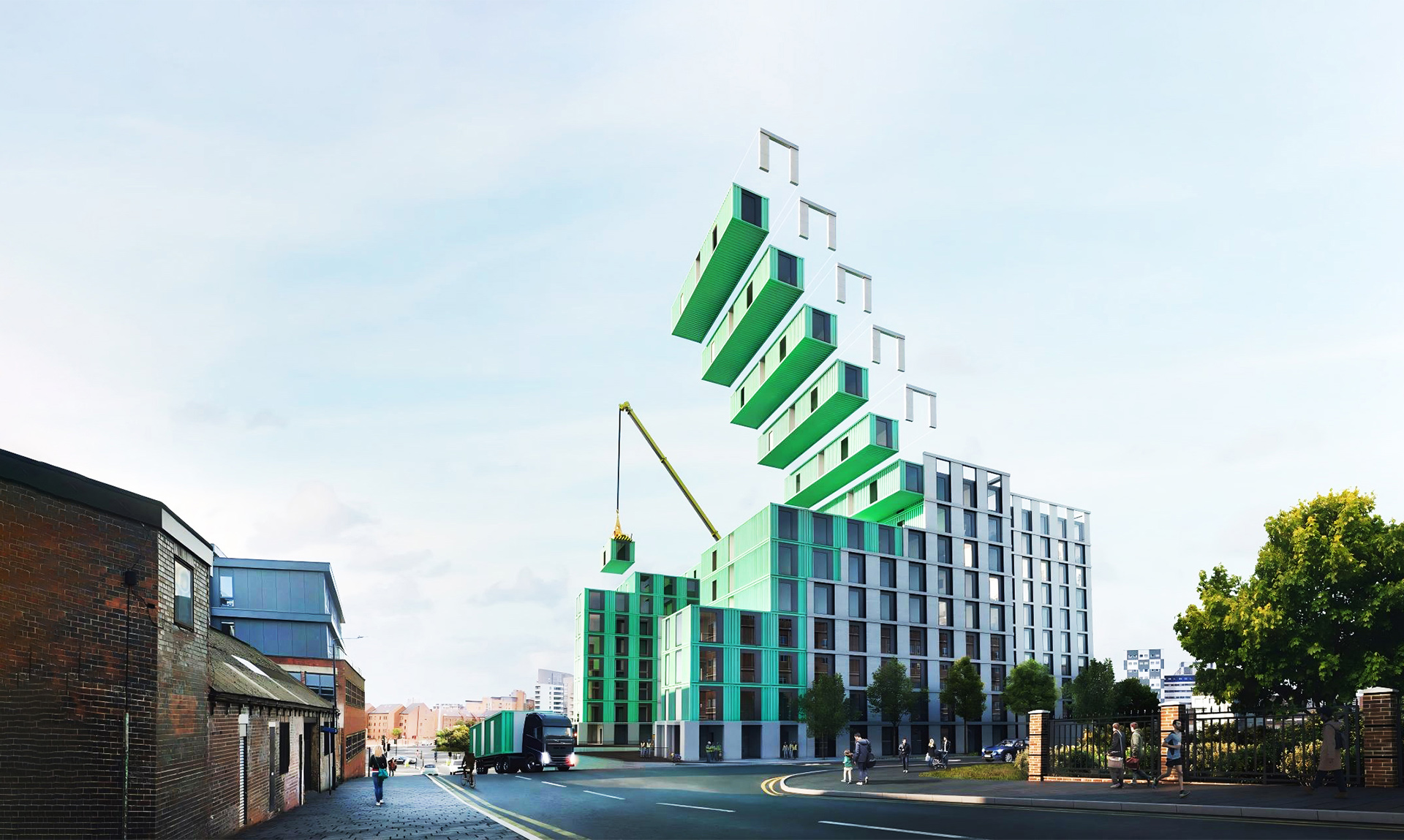
Confronted with rapid urbanization, a critical need for more efficient and affordable housing, growing pressure for sustainable building practices, and the limitations of traditional construction methods – including skilled labor shortages, unpredictable delays, weather dependency, and significant waste generation – the industry sought a smarter solution.
Its quest for speed, quality, efficiency and a lighter environmental footprint led to the systematic off-site manufacturing of precision building modules.
By shifting fabrication into controlled factory environments, modular building offered a transformative approach, fundamentally redefining how we design, create, and deliver the spaces where we live, work, and recover.

Faster
Enabling seamless worldwide intermodal delivery

Better Buildings
Superior Outcomes from Controlled Processes

Improved Quality
Factory QC & Systems Integration

Increased Certainty
Precision Engineering & Schedule Reliability

Improved Safety
Risk Reduction in Factory vs. On-site

More Sustainable
Waste/carbon Reduction & Material Optimization
Phase 1
Design & Engineering
Considerable Savings
in Time, Cost & Resources
Does a building have to be designed with CIMC Modular Building Systems in mind?
Yes, optimal results require DfMA (Design for Manufacture and Assembly) from the start. This ensures structural efficiency and seamless integration of MEP systems.
How long do your Buildings last?
Permanent modular buildings are designed to the same standards as traditional construction, typically lasting 50 to 60 years.
What are CIMC volumetric units constructed with?
Construction typically utilizes Steel for versatility, or Concrete for enhanced acoustic and fire performance.
How to connect the modules?
CIMC have a patented connector system of steel plates, locating spigots and holding down bolts. The system is assessed for each project and the structural stability underwritten by a third party consultant.